Taking off excess weightand keeping it offgenerally comes down to two things: eating less and exercising more.
But those things are difficult, unpleasant, and boring.
And what are they really made out of?
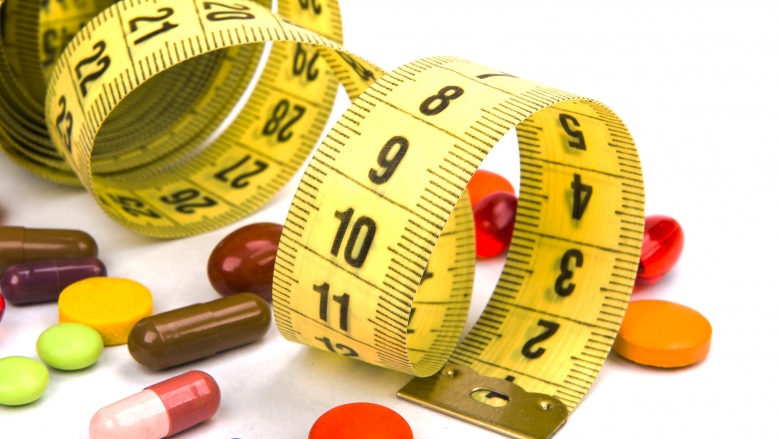
Let’s take a look inside the world of weight loss supplements.
How fat burners work
One category of diet pills are fat burners.
But really, they’re stimulants whichagitate the central nervous systemso as to reduce appetite and burn off fat.
(Burning fat all day long tends to sap the body.)
Studies show that orlistat does help with weight loss, but only in conjunction with a reduced-calorie diet.
How is this even legal?
It’s because most diet pills arelegally classified as “dietary supplements,” and not drugs.
That means manufacturers don’t have to prove safety or effectiveness to the Food and Drug Administration.
A supplement called Slimming Beauty cited the all-natural “bitter orange” as the big ingredient.
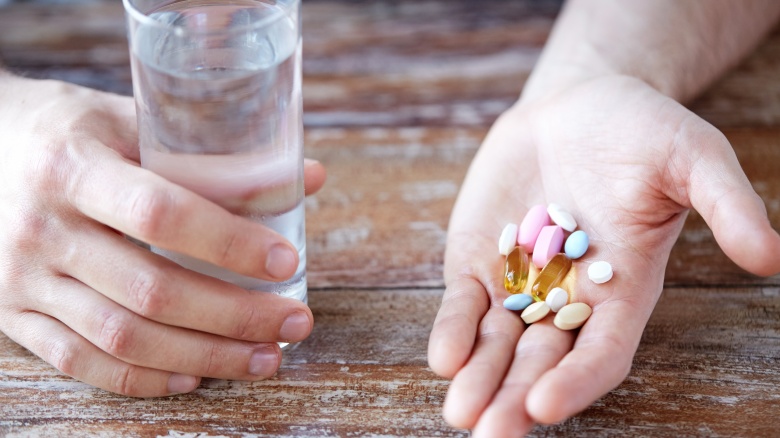
But these pills also contain very high amounts of sibutramine, a prescription-strength stimulant and weight loss aid.
But the FDA has no jurisdiction over supplements, so into Slimming Beauty it went.
The magic ingredient may be totally normal
Some diet pills tout the inclusion of chitosan.
It’s the powdered shells of crab, shrimp, and other crustaceans.
(Chitosan is not for use by vegans, or those whose religion prohibits the consumption of shellfish.
The main difference between chitosan and fiber: Chitosan is expensive and comes only in pill form.
Fiber is cheap and plentiful.
And like orlistat, chitosan blocks the body’s ability to absorb vitamins.
Fiber doesn’t do that.
