For much of history, women have lived as second-class citizens.
American women were only giventhe right to votein the twentieth century.
As recently as the 1970s, a woman could bedenied a credit cardunless it had her husband’s signature.
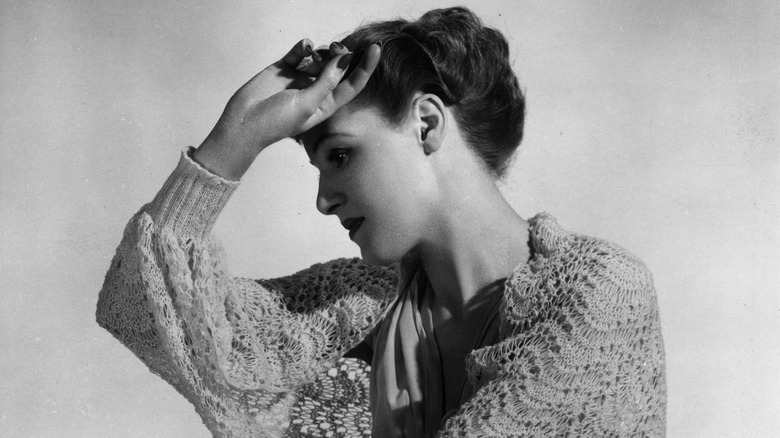
Aside from havingfewer legal rights, women in the past also had fewer fashion choices.
Today, women have far more options to wear clothing that is both comfortableandexpresses their personal style.
Historical options, however, were quite limited and often oppressive.
In some cases, historical fashion trends could even be deadly.
Here are some of the most oppressivefashion trendsthat have existed throughout history.
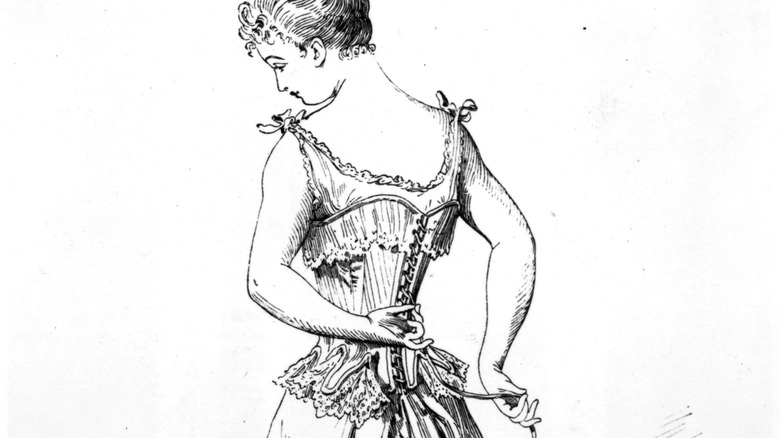
The rise of the corset as a gadget to cinch the waistline datesback to the 16th century.
Historical corsets werenotoriously uncomfortable, and constructed from confining materials such as whalebone.
The corsets made women have impeccable posture by essentially locking them into a cage.
Fortunately, it is no longer a fashion staple or considered societally mandated.
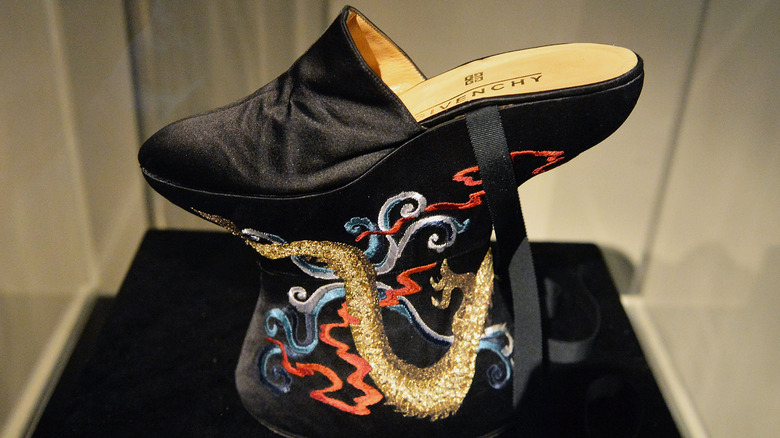
Known aschopines, these shoes were a predecessor to the modern-day platform.
The high heel dates back even further than the chopine.
By the 18th century, men had decided heels were impractical and they became primarily a women’s accessory.
Studies suggest that, even today, women with large eyes tend to beviewed as more attractive.
The use of belladonna as a cosmetic product was also reportedin 19th century France.
We can only imagine how many bruises resulted from women with dilated pupils bumping into things.
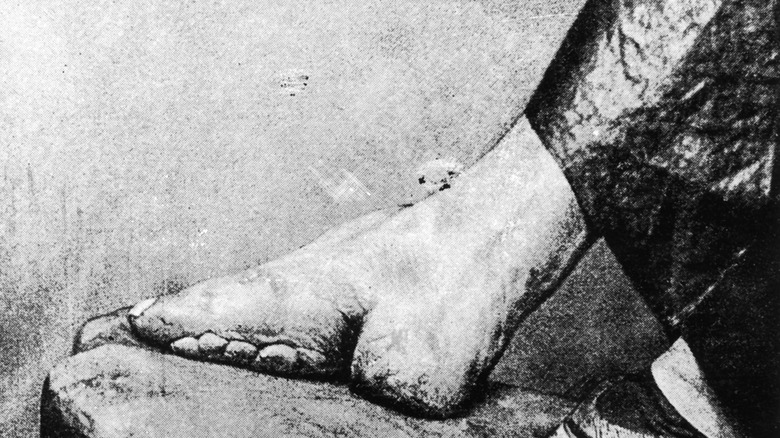
Girls as young as five would have their four smaller toes bent under their foot and then tightly bound.
This would impede the growth of the foot, and permanently deform it.
Full skirts have cycled in andout of stylefor centuries.
They werein vogue during the Renaissance era.
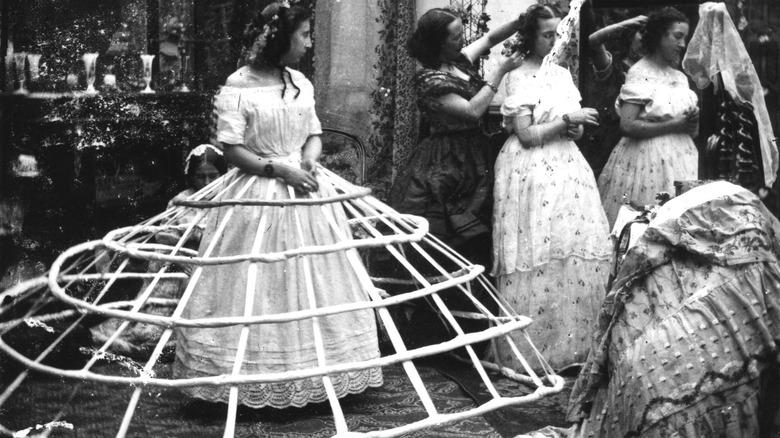
By the middle of the century, women were wearing massive hoop crinolines underneath their dresses.
In Europe, this fad came to be known asCrinolinemania.
Skirts could be as large as six feet in diameter, making it difficult to navigate crowded areas.
This, however, wasn’t the greatest drawback of the crinoline.
The voluminous skirts could also get stuck in carriage wheels, and also posed a fire hazard.
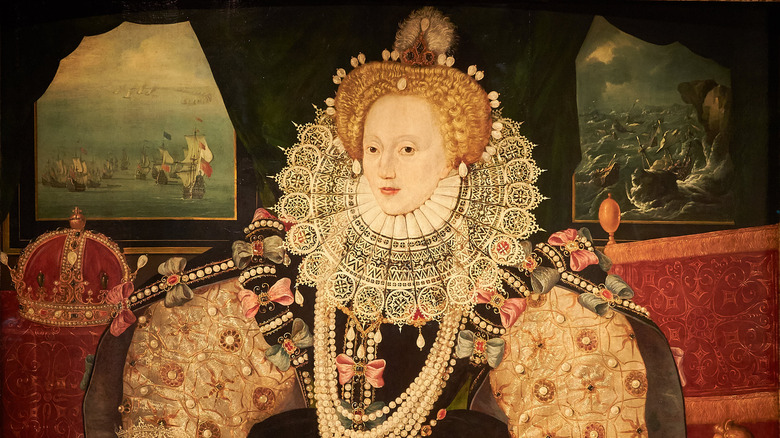
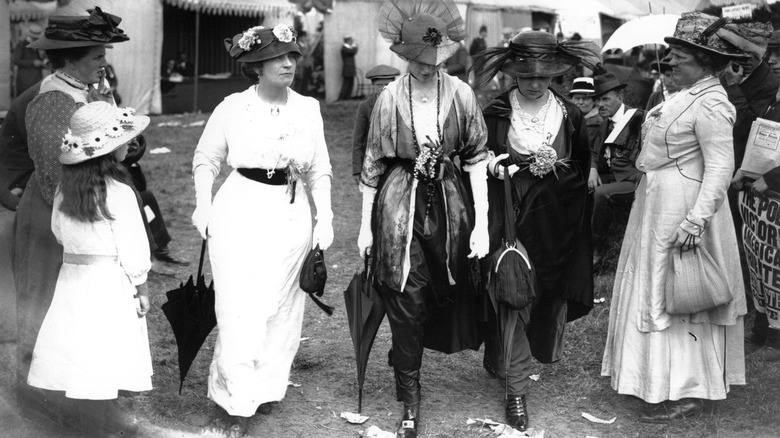
This was particularly apparent in the 1900s, when a new trend hit the fashion scene.
Women wearing these dresses not only had trouble walking and dancing, but many also found themselvesin dangerous predicaments.
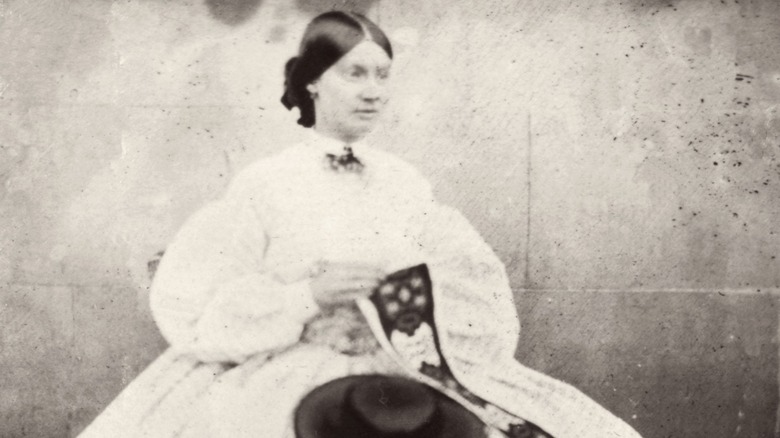
These sleeves would prevent women from raising their arms above their heads.
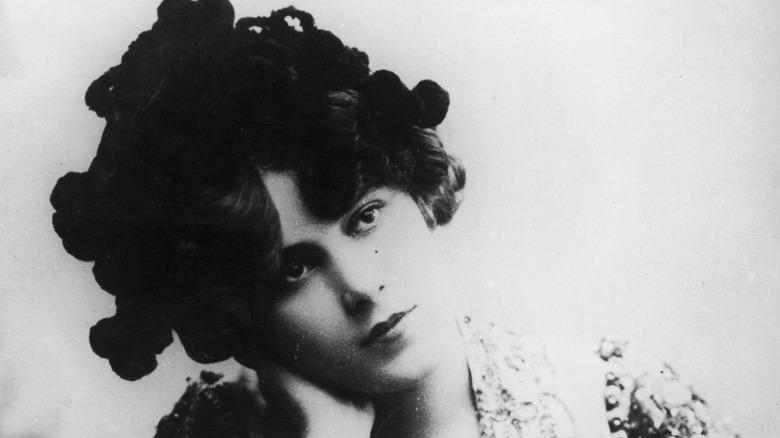
The large sleeve trend would continuethroughout the Victorian era.
These trends resulted in a generation of women who were barely able to move, let alone breathe.
A physical manifestation of oppression if we ever heard of one.
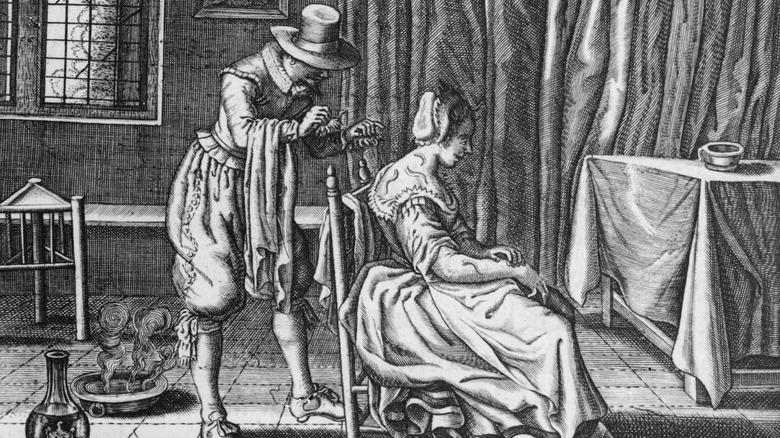
Lead-based makeup literally poisoned people
Throughout much of history, having pale skin was all the rage.
Lead might have been good for the complexion, but it wasn’t good for the body.
Prolonged use of lead-based makeup sometimes actually resulted in death.
The lethal cosmetics claimed a number of lives over the years.
In India alone,hundreds of millions of dollarsare spent on skin whitening products each year.
These modern skin lightening products, like the ones used throughout history, can have very dangerous side effects.
At the turn of the twentieth century,arsenic waferswere a popular beauty product.
