As newborns, infants and toddlers, we eventually start to learn how to control our bladders.
And sometimes we wait a little too long.
There may not be facilities nearby, or we’re just too busy.
But holding it in isn’t necessarily a bad thing, until it becomes a habit.
That’s when problems begin to arise, some more severe than others.
For kids it’s even less: onlyfour ounces.

Think of your bladder as a muscle because, well, that’s exactly what it is.
When your bladder is overworked, it can affect other things: for example, your pelvic floor.
(Imagine going back to your infant days!)
So, you want your bladder to be in great shape.
That critical message your bladder sends to your brain when it’s time to go, can go unnoticed.
Which could potentially mean…
You could actually pee your pants!
Now that would be embarrassing, and in my opinion, could possibly be a worst-case scenario.
OB/GYN,Lauren Streicher M.D.
(Cue theadultdiapers!)
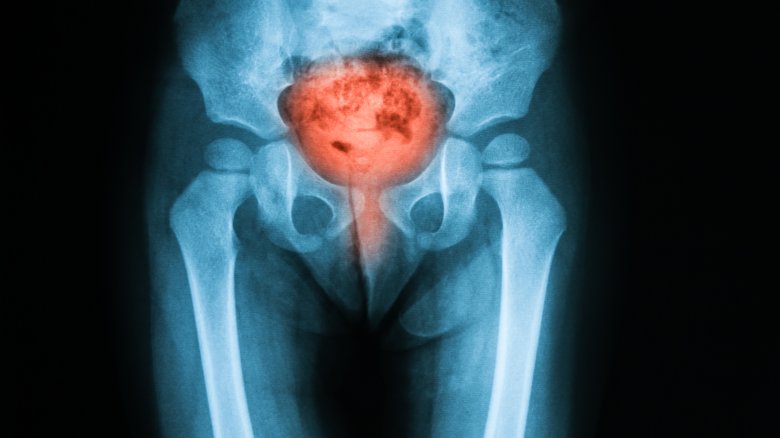
You could get a U.T.I.
Abouthalf of all womenhave had a Urinary Tract Infection (UTI) at leastoncein their lives.
But UTI’s aren’t actually a direct result of holding in your pee.
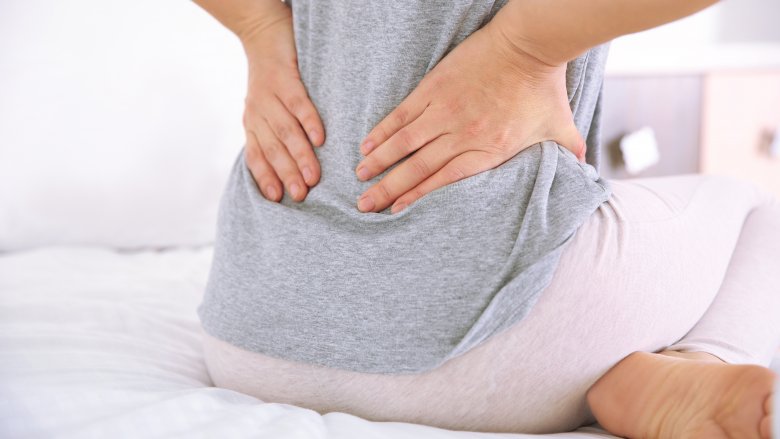
Different adverse effects can include further infections, fever, pain, cramping, and more.
It’s definitely a domino effect.
Save yourself the hassle and just go!
Other organs can become damaged
Your bladder connects to your urinary system, which includes your kidneys.
The kidneys create urine from the excess water in the blood stream, and by filtering waste.