However, they don’t explain how or why that is beneficial to our health.
Advertisers like to tout the benefits of antioxidants because they protect the body from free radicals.
But what does all this even mean?

Here, we’ll explore why free radicals are so harmful and what to do about it.
What are free radicals?
Free radicals areatoms that contain an odd number of electrons.
These free radicals can exist inside or outside our bodies.
Because of this odd number, free radicals are unstable and can easily cause our cells to change quickly.
Our bodiesneed some free radicalsto function, but too many leads to chemical changes.

Free radicals are highly reactive, meaning they can easily cause changes in the body.
Too many free radicals is dangerous, because they cause damaging chemical reactions in the body.
They are able to make significant changes to our DNA and the makeup of our cells.

This causes our cells to die or mutate, which leads to serious diseases, such as cancer.
Free radicals are created during a process call oxidation.
What is oxidation?
Oxidation occurs in our bodies everyday.
Oxidation just refers to the process of ourcells coming in contact with oxygen.
Just like oxygen can cause rust on an old bike, it causes changes in our bodies.
However, there are certain lifestyle factors that can speed up oxidation.
When we expose our bodies to dangers like cigarette smoke or stress, oxidation occurs faster.
When this happens, free radicals are created and start the process of changing our cells.
This leads to oxidation and the production of free radicals.
Too much oxidation leads to oxidative stress.
What is oxidative stress?
While oxidation is a normal body process, oxidative stress is not.
Oxidative stress comes up whenever oxidation is sped up too much by external factors, like smoking or tanning.
We also know that oxidative stress leads toinflammation in the body.
What are antioxidants?
Antioxidants help to fight andprotect against this oxidation process.
Antioxidants are able to safely interact with free radicals and stop their damage.
Think of free radicals like an overtired toddler who just ate a few cupcakes.
He might be fine, but you just don’t know.
He is highly volatile and might even throw a tantrum.
Well, if free radicals are the toddler, antioxidants are the soothing mom singing his favorite song.
Antioxidants can calm down and neutralize free radicals, keeping them from being harmful to others.
Our body produces antioxidants, but we can also get them from eating foods with certain vitamins and minerals.
Our bodies need theright balance of free radicals and antioxidantsto function properly and repair cell damage everyday.
Antioxidants may protect us from many chronic diseases such as cancer and heart disease.
So if you’d like to stay sharp in your 90s, start loading up on the antioxidants now.
Antioxidants are found almost exclusively in plant-based foods, so put down that steak and grab a salad.
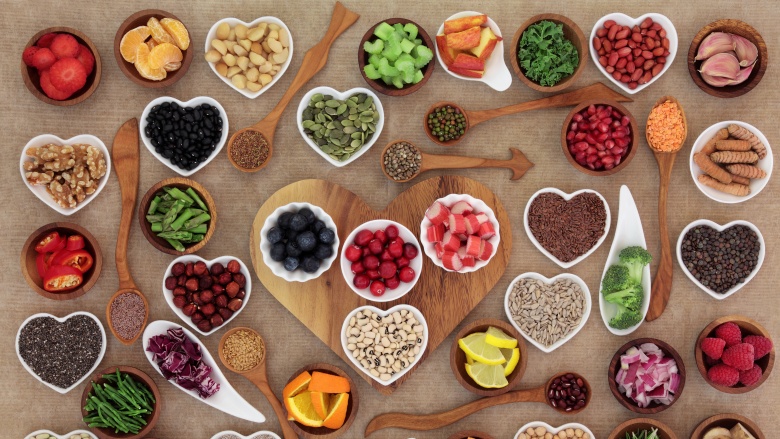
Antioxidants are found in fruits and vegetables withdeep, rich colors.
Iceberg lettuce isn’t going to cut it.
Antioxidant foods are also usuallyhigh in fiber and essential vitamins.
Beta carotene improves our immune systems and is even protective against cancer and aging.
Think beets, kidney beans or berries.
These little powerhouses can improve heart health and even memory.
They are also linked to preventing some types of cancer.
Flavonoids are antioxidants that boost brain function and improve inflammation.
They are found in tons of fruits like berries, pears, apples, and apricots.
They are also found in tea, soy, and black beans.
Oh and here’s something to get your attention.
Wine and cocoa are both rich in flavonoids.
Wine Wednesday with some chocolate for better brain health?
Isothiocyanates are antioxidants found in broccoli, kale, and cauliflower.
They help the body with the detoxifying process and even protect against breast and prostate cancers.
When it comes to greens like spinach or kale, go for thedarkest varietiesfor the most nutrients.
The more, the better
Research has shown that no onesingle antioxidant can protectus from disease.
They have to work together.
Your mom was right when she told you to eat the rainbow.
Generally speaking, the more (natural) colored foods on your plate, the better!
Antioxidants not only stop free radical damage, they can actually prevent these dangerousfree radicals from even occurring.
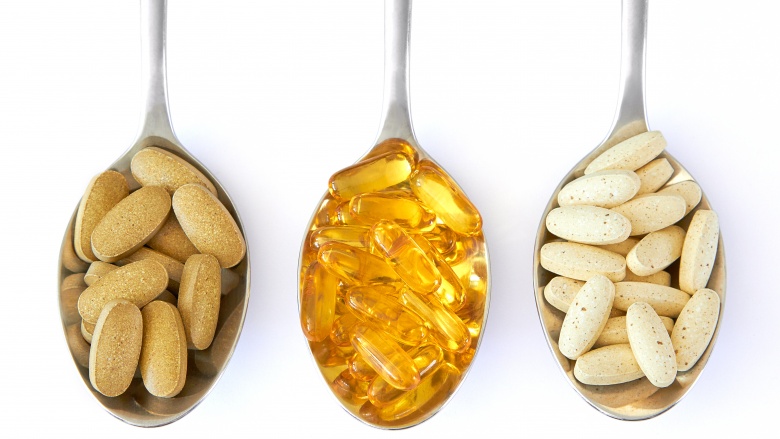
Some studies have looked at the effects of supplements, and theresults are mixed.
Antioxidant supplements may even do more harm than good.
One study found that taking a vitamin E supplement everyday actuallyincreased the riskof prostate cancer in the men studied.
Taking antioxidant supplements has also been linked toincreased skin cancer riskin women.
Both the American Heart Association and the American Cancer Society recommend eatingantioxidants from foodrather than supplements.
To be safe, stick with rich, colorful produce for your antioxidant fix.
Look for deep reds like pomegranates, oranges like sweet potatoes and greens like spinach.
Eating a diet rich in fruits and vegetablescan protect against free radicals, so go natural.
